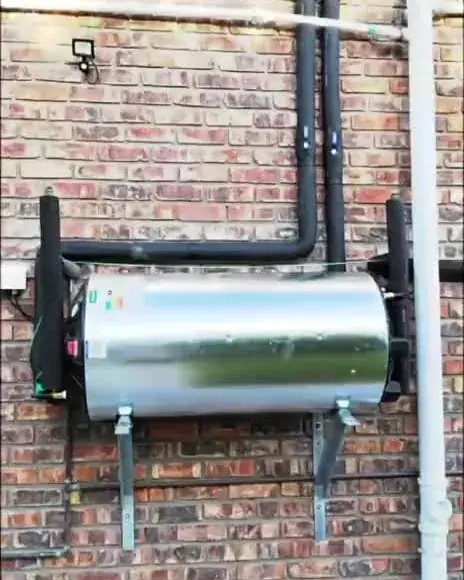
Emergency steps
What to do when your geyser bursts
1. Switch off the electricity to the geyser
Go to your distribution board (DB board) and switch off the breaker marked “geyser”. Water and electricity don't mix, and an element heating an empty tank can be damaged further. If the breaker isn't labelled and water is near the board, switch off the main switch.
2. Stop the water
Close the cold-water supply valve to the geyser if you can reach it safely. If not, close the main water stopcock, usually next to the water meter on the pavement or inside the boundary wall.
3. Drain pressure and protect the ceiling
Open a hot tap in the house to release pressure. If the ceiling is bulging with water, place buckets underneath and keep people clear: a sagging ceiling board can collapse.
4. Photograph everything
Take photos of the geyser, drip tray, ceiling and damaged contents before anything is moved. Your insurer will ask for them.
5. Call a registered plumber
A burst geyser must be replaced by a PIRB-registered plumber, installed to SANS 10254, with a plumbing certificate of compliance. Our emergency line is +27 67 151 2255.
Burst geyser insurance claims in South Africa
Most household policies cover a burst geyser and the resulting water damage, but they typically expect:
- the claim to be reported promptly
- photos of the damage and the old geyser
- the replacement to be done by a registered plumber, with a plumbing COC
- the old geyser or its data plate kept for the assessor
Why geysers burst
Common causes are age and internal corrosion, a failed pressure control valve, a faulty thermostat overheating the water, and a missing or corroded anode. A geyser nearing the end of its life often drips from the overflow pipe or shows rust-coloured hot water first. Geyser repairs and replacements →